Source Target Practice Toy Gun for Kids, Training, and Games
Find 30 target practice toy gun options for children's play, training exercises, and recreational games. Compare specifications, materials, and pricing to select the right shooting accessories for your needs; compare the available evidence and request quotations based on your requirements.
Key considerations
Products List
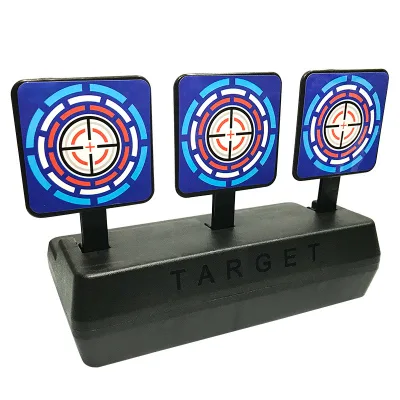
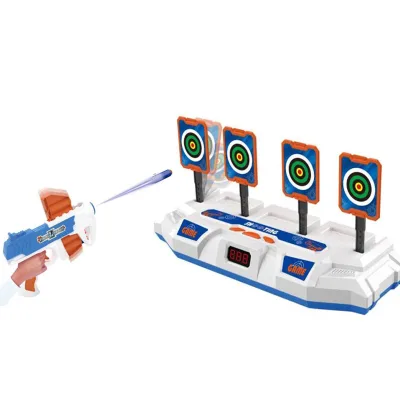


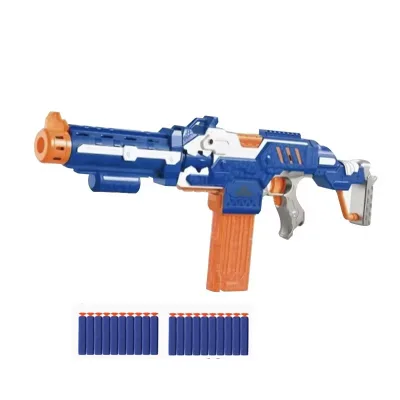


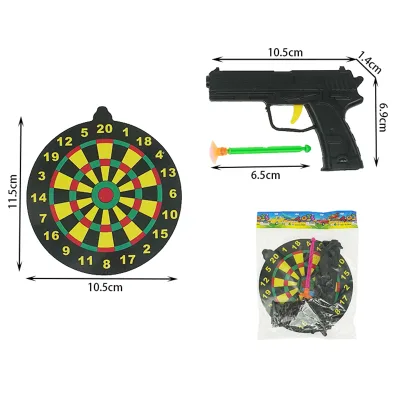
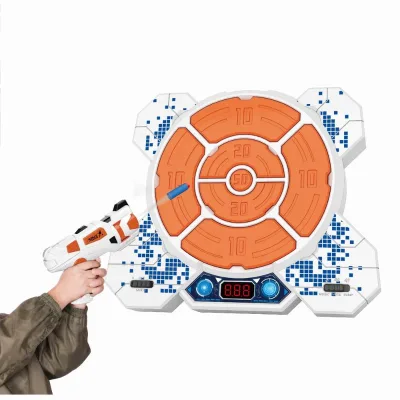
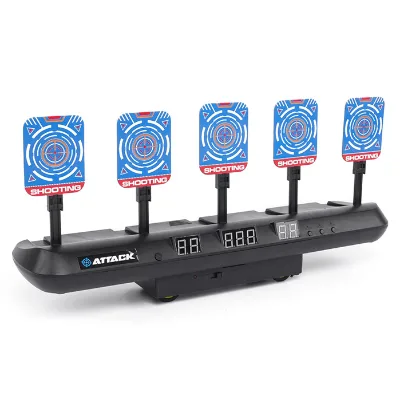

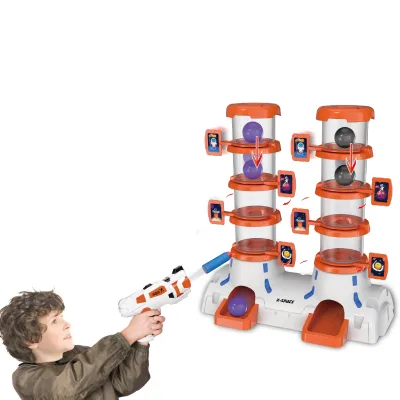



Comprehensive Sourcing Guide
Target Practice Toy Gun Sourcing Guide
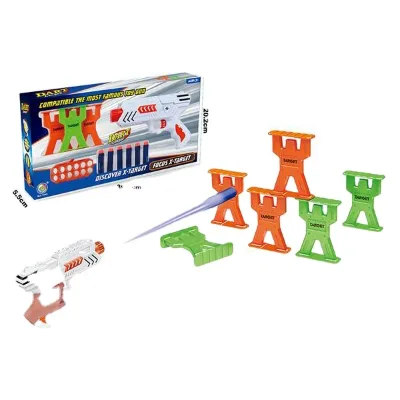
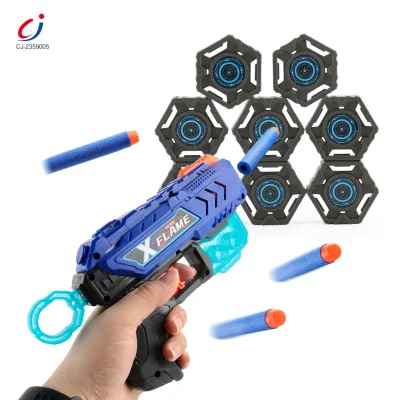
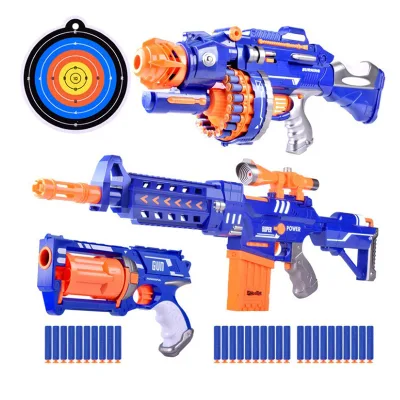
Procurement of target practice toy guns requires careful alignment between the intended user demographic and the specific mechanical design of the product. The observed market data indicates a diverse range of options, from soft bullet guns designed for children aged 3 to 8 years to electronic accessories suitable for older age groups up to 14 years. Buyers must first determine whether the primary requirement is a standalone firearm or an accessory component, such as a scoring belt or reset target, as these categories serve distinct training and play environments.
The material composition and power source are critical differentiators that influence both safety and durability. Listings reveal a split between non-electric models constructed from durable plastics like HIPS, PP, and EVA, and electronic variants that may include shooting game functions. Sourcing decisions should prioritize the specific age range of the end-user, ensuring that the selected product's complexity and projectile type match the developmental capabilities and safety needs of the target audience without exceeding regulatory limits for the destination market.
Product Scope and Observed Listing Signals
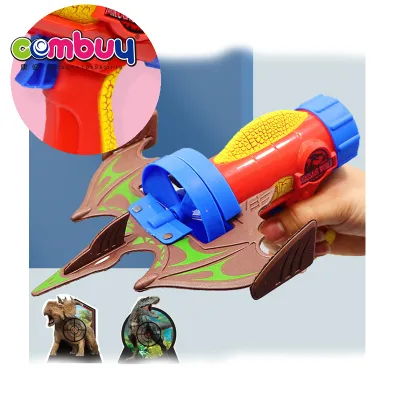
The current market landscape for target practice toy guns presents a wide spectrum of product types, ranging from simple soft bullet guns to complex electronic training systems. Buyers will encounter items described as "shooting game toy guns" alongside specific accessories like "mini reset targets" and "scoring belts." This variety necessitates a clear definition of the procurement goal, as a single order might inadvertently mix standalone toys with modular accessories if the product type is not explicitly verified during the initial supplier inquiry phase.
Listing signals also highlight significant variations in packaging and logistics parameters that impact the total landed cost. Observed data shows single package sizes ranging from compact 25x25x25 cm units to large cartons measuring 87x31x74 cm, with gross weights fluctuating between 1 kg and 25.5 kg per unit. These physical dimensions directly influence shipping efficiency and storage requirements, making it essential for buyers to calculate the volume per container before finalizing order quantities to avoid unexpected freight surcharges or inefficient space utilization.
Technical Specifications to Verify
Technical verification must begin with the material composition, as the safety and longevity of the toy depend heavily on the polymers used. Suppliers list materials such as ABS, HIPS, PP, and EVA, each offering different levels of impact resistance and flexibility. Buyers should explicitly request material safety data sheets to confirm that the plastics used are non-toxic and suitable for the intended age group, particularly for younger children who may be more prone to mouthing or rough handling of the equipment.
The mechanical and functional specifications are equally critical, especially regarding the projectile type and power source. The market includes both electric and non-electric models, with some units specified as "soft bullet guns" and others as electronic accessories. Procurement teams must verify the exact bullet quantity, such as the 3-piece sets observed in some listings, and confirm whether the mechanism is battery-operated or manual. Ensuring that the firing mechanism aligns with the safety standards of the destination country is a non-negotiable step before placing any bulk order.
Compliance and Safety Documentation
Safety compliance is the primary gatekeeper for importing toy guns, with specific standards varying significantly by region. The observed listings reference certifications such as EN71 and ASTM, which are essential for market access in Europe and North America respectively. Buyers must demand valid test reports from accredited laboratories that specifically cover the mechanical and physical safety aspects of the toy, ensuring that the product has been rigorously tested for hazards like small parts, sharp edges, and projectile velocity.
Beyond the core safety standards, documentation regarding customization and manufacturing origin must be scrutinized to ensure traceability. Some suppliers indicate that products are customized while others offer non-customized stock, and the place of origin is frequently listed as Zhejiang, China, or other specific regions. Procurement teams should verify that the supplier can provide a Certificate of Conformity that matches the specific model number and batch, as generic certifications may not cover the unique design features of a customized target practice system.
Cost Drivers and Commercial Terms
Pricing for target practice toy guns is influenced by a complex mix of material costs, customization levels, and order volume. The observed price range spans from $0.03 to $11.64, reflecting the difference between simple accessories and more complex electronic units. Buyers must understand that the lowest unit price often correlates with higher minimum order quantities, which can strain cash flow if the sales velocity does not match the initial inventory commitment.
Commercial terms and payment structures play a vital role in managing financial risk during the procurement process. Suppliers frequently require payment via T/T and may specify delivery times ranging from 10 to 15 days, though these lead times can vary based on production capacity and order complexity. It is crucial to negotiate clear terms regarding the MOQ, which can range from single items to 5000 units, and to establish penalties for delays to ensure that the supply chain remains reliable and responsive to market demands.
Supplier Qualification and Quality Control
Supplier qualification should extend beyond basic business registration to include a thorough assessment of their manufacturing capabilities and quality control protocols. The presence of OEM/ODM acceptance suggests that many suppliers are capable of customizing designs, but buyers must verify the supplier's track record in maintaining consistent quality across different batches. Requesting samples of the specific model number, such as kspc23031102 or B3235N, allows for a direct evaluation of build quality, finish, and functional reliability before committing to a larger order.
Quality control procedures must be explicitly defined in the purchase agreement to prevent defects from reaching the end consumer. Buyers should insist on a pre-shipment inspection that covers critical dimensions, such as the carton size and single package weight, to ensure that the product matches the agreed specifications. Additionally, verifying the supplier's ability to handle the specific packaging requirements, such as blister cards or bulk cartons, ensures that the product arrives in sellable condition without damage or packaging errors.
Long-Term Procurement Checks
Establishing a long-term partnership requires continuous monitoring of supplier performance and product consistency over time. Buyers should implement a system for tracking defect rates and customer feedback to identify any recurring issues with the toy guns or accessories. Regular audits of the supplier's production line can help ensure that the materials and manufacturing processes remain consistent, preventing quality drift that could lead to safety violations or brand reputation damage.
Strategic planning for future orders should account for potential changes in regulations and market trends. As safety standards evolve, suppliers must be prepared to adapt their products to meet new requirements, such as updated EN or ASTM standards. Procurement teams should maintain open communication channels with suppliers to stay informed about any changes in lead times, material availability, or certification requirements, ensuring that the supply chain remains resilient and compliant in the face of external market pressures.
FAQs
What materials are used for these toy gun accessories?
The products are constructed from durable plastic materials including HIPS, PP, and EVA. Some specific models utilize ABS plastic for enhanced strength. These materials ensure safety for children while maintaining the structural integrity required for shooting game activities and target practice scenarios.
Which certifications do the toy guns meet for safety?
The listed products comply with EN71 and ASTM safety standards. These certifications ensure the toys meet international safety requirements for children. Buyers should verify specific model certifications as some items may be customized or non-customized depending on the supplier configuration and order requirements.
Can I customize the design or branding of these toys?
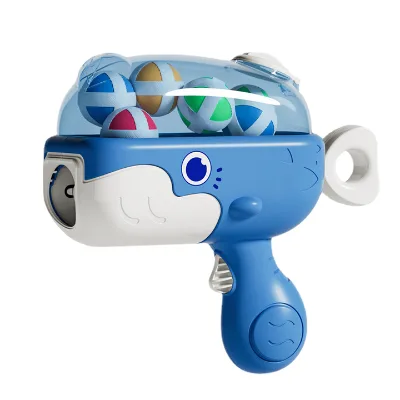
Yes, customization is available for many of the listed products. Suppliers accept OEM and ODM requests to modify designs, colors, or branding. Buyers can specify requirements for unique styles like shark designs or specific color combinations such as yellow and blue to match their market needs.
What is the typical lead time for delivery of these items?
The standard delivery time for these products ranges from 10 to 15 days. This timeframe applies to the manufacturing and preparation of the order. Buyers should confirm specific lead times with suppliers as variations may occur based on order volume, customization needs, and current production capacity.
How does the MOQ vary for different toy gun models?
The minimum order quantity varies significantly across different product listings. Some items have an MOQ as low as one unit, while others require orders of up to 5000 units. Specific models like the shark design toy gun may have an MOQ of 648 units depending on the supplier.
Where are these toy gun accessories manufactured?
The primary place of origin for these products is Zhejiang, China. Some listings also indicate GUA as a location. These regions are known for manufacturing a wide variety of electronic and non-electronic toys suitable for various age groups ranging from toddlers to teenagers.
What age ranges are suitable for these shooting game toys?
These toys are designed for a broad age range including children aged 2 to 4 years, 5 to 7 years, and 8 to 13 years. Some specific models are recommended for ages 3 to 8 years or 4 years and up. Always check the specific product description to ensure suitability for the intended child.